



Maine Senate Debate Highlights Policy Differences Between Collins and Jackson
Maine Senate race, Senate debate, Susan Collins, Troy Jackson, Republican, Democrat, Senate Appropriations Committee, federal funding, Trump policies, trade war, Iran, One Big Beautiful Bill Act, Justice Brett Kavanaugh, Roe v. Wad, political race, U.S. Senate control, Maine voting history, policy differences, judicial appointments, foreign policy, competitive race, razor-thin margin, congressional record, Senate dynamics, national representation, debate format, audience details, political climate, party control, state Senate leadership, policy opposition, confirmed votes, federal dollars, taxpayer burden, communication from Trump's office, seniority, relationships, policy record, political competition, national policy influence, Senate race competitiveness, polling data, historical voting trends, judicial confirmation, Supreme Court decisions, public debate, legislative actions, policy disagreements, political accountability, policy response to presidential actions, state-level politics, national implications, Senate leadership roles, congressional experience, funding allocation, bipartisan tensions, foreign policy strategy, trade policy, judicial appointments, constitutional issues, political accountability, policy outcomes, public perception, political competition in Maine, national representation, Senate control dynamics, policy debate structure, political messaging, public engagement, political discourse, legislative history, policy implementation, federal-state relations, political history of Maine, Senate election significance
Key points
- Republican Sen. Susan Collins emphasized her three-decade record in Congress and her work as chair of the Senate Appropriations Committee.
- Collins said she has secured federal funding for Maine projects and has heard no communication from Trump’s office about a potential visit to Maine.
- Collins criticized Trump’s trade war with Canada and strategy in Iran and voted against the One Big Beautiful Bill Act.
- Democrat Troy Jackson accused Collins of failing to oppose Trump-era policies and of voting to confirm Justice Brett Kavanaugh.
- Jackson said the Kavanaugh confirmation sets the stage for the Supreme Court to overturn Roe v. Wad. - The Maine Senate race stands among the most closely scrutinized elections in November, consistently showing margins that are extremely narrow. - Maine has not voted for a Republican presidential candidate since 1980. - The outcome could determine which party controls the U.S. Senate next year.
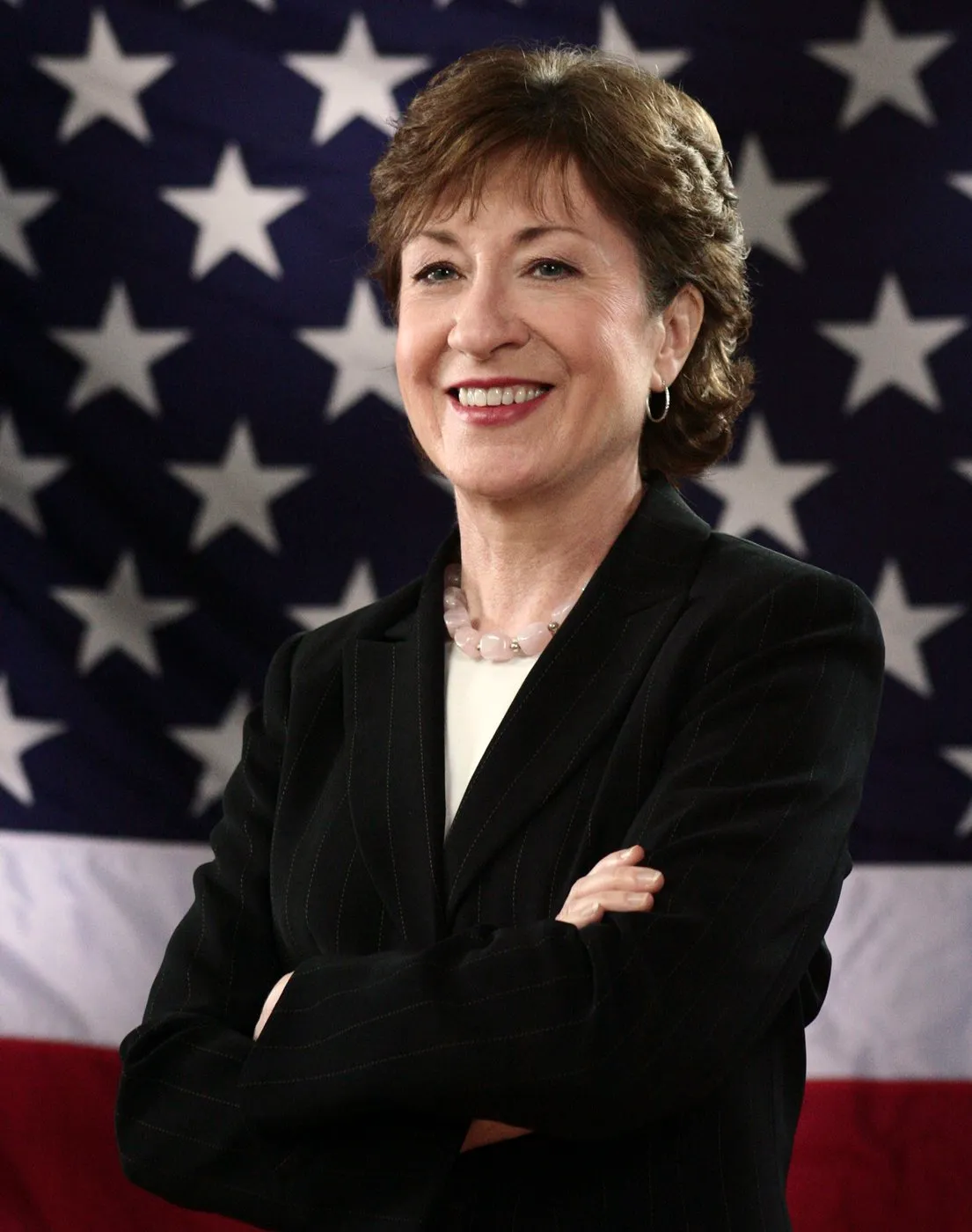
In a Tuesday night debate, Republican Senator Susan Collins and Democrat Troy Jackson presented contrasting views on their records and approaches in the Maine Senate race.
Collins emphasized her three-decade record in Congress, highlighting her experience as chair of the Senate Appropriations Committee. She said she has secured federal funding for Maine projects, reducing the burden on taxpayers. She also pointed to her votes against President Trump’s trade war with Canada and Iran policy, and her opposition to the One Big Beautiful Bill Act. Collins said she has heard no communication from Trump’s office about a potential visit to Maine and that she does not hold a strong position among his colleagues.
Democrat Troy Jackson argued that Collins has failed to leverage her position to oppose Trump-era policies. He accused her of voting to confirm Justice Brett Kavanaugh to the Supreme Court, which he said sets the stage for the Supreme Court to overturn Roe v. Wad. Jackson is a former state Senate president from northern Maine.
The Maine Senate race is one of the most closely watched in November, with most polls showing a razor-thin margin. Maine has not voted for a Republican presidential candidate since 1980.
The outcome could determine which party controls the U.S. Senate next year. The race remains highly competitive, with no official winner declared.
Key Points
- Republican Sen. Susan Collins emphasized her three-decade record in Congress and her work as chair of the Senate Appropriations Committee.
- Collins said she has secured federal funding for Maine projects and has heard no communication from Trump’s office about a potential visit to Maine.
- Collins criticized Trump’s trade war with Canada and strategy in Iran and voted against the One Big Beautiful Bill Act.
- Democrat Troy Jackson accused Collins of failing to oppose Trump-era policies and of voting to confirm Justice Brett Kavanaugh.
- Jackson said the Kavanaugh confirmation sets the stage for the Supreme Court to overturn Roe v. Wad.
Spotted a mistake? Report an error · Corrections policy
From the newsroom
Newsroom desk