Judge strikes down DOJ's policy of reviewing state voter rolls
A federal judge has blocked the Justice Department's effort to use state voter rolls to verify citizenship status, ruling it violates privacy laws and oversteps legal authority. The decision invalidates the administration's entire voter list maintenance policy nationwide, following a lawsuit by Common Cause and four voters. Judge Sparkle Sooknanan emphasized that the federal government cannot override laws designed to protect citizens' rights. The Department has lost nearly all state-level lawsuits and one state settled. The policy was challenged as a 'sprawling new voter surveillance and purging apparatus.'
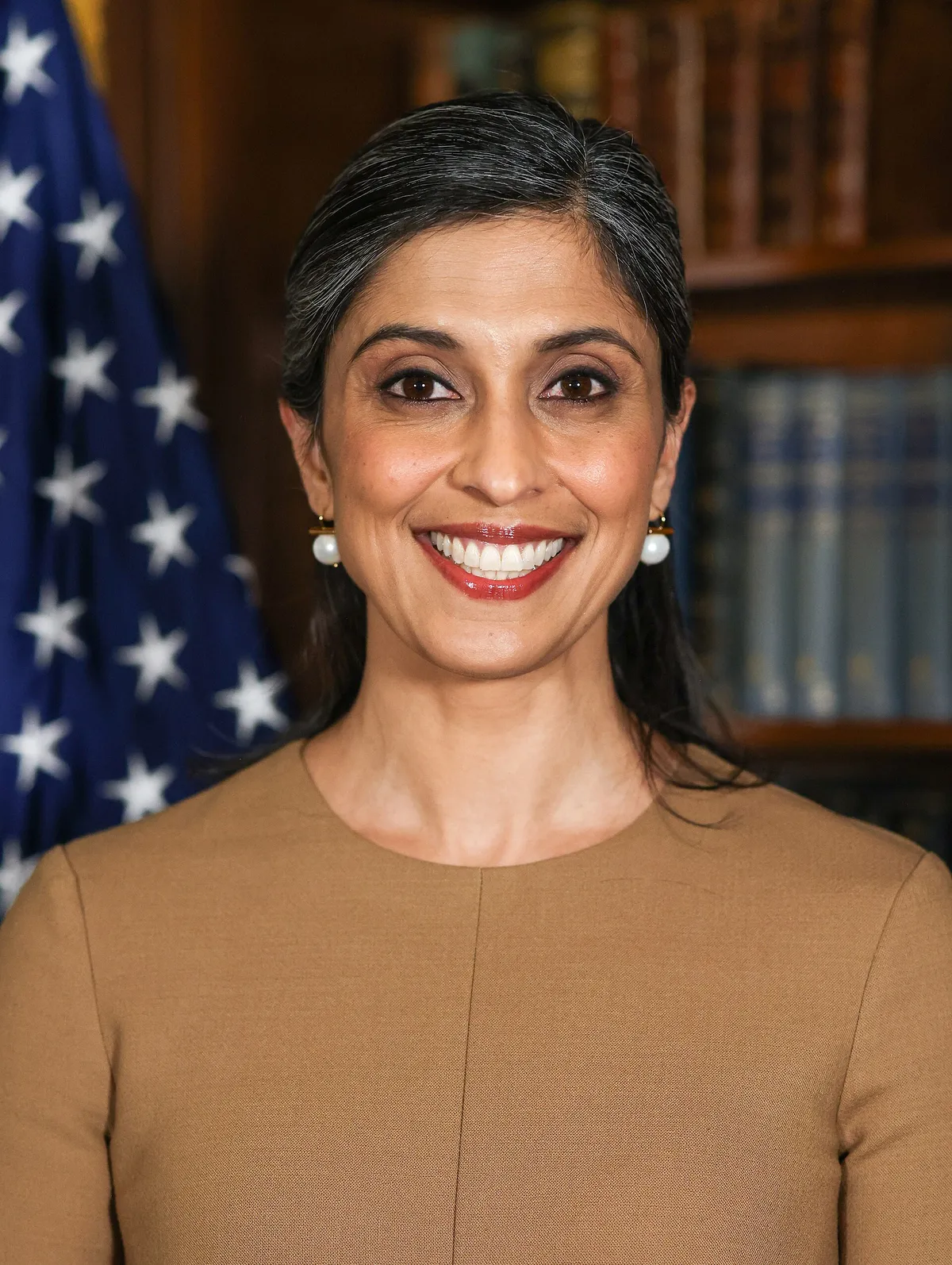
U.S. District Judge Sparkle Sooknanan ruled the Justice Department exceeded its legal authority and violated federal privacy laws.
The policy, initiated under an executive order by President Trump, aimed to identify voters who may not be eligible to vote by comparing state voter data with federal immigration databases — this claim was removed as unsupported.
Sooknanan rejected the Department’s argument that it has legal authority to demand full voter lists and use them to remove individuals from rolls.
The ruling invalidates the DOJ’s entire voter list maintenance policy nationwide.
Eighteen states fully cooperated with the request, but the Department lost almost all lawsuits in individual state cases. One state settled with the federal government.
A U.S. federal judge has struck down the Justice Department's policy of requesting state voter rolls to verify citizenship status. In a 78-page ruling, U.S. District Judge Sparkle Sooknanan said the Department exceeded its legal authority and violated federal privacy laws. The policy, initiated under an executive order by President Trump, aimed to identify voters who may not be eligible to vote by comparing state voter data with federal immigration databases.
Sooknanan rejected the Department’s argument that it has legal authority to demand full voter lists and use them to remove individuals from rolls. The administration, according to her, failed to fully acknowledge how errors in the SAVE database could lead to eligible citizens being incorrectly taken off voter rolls. The policy, she stated, must not override established laws designed to safeguard American citizens' rights. This ruling covers every voter record the Department has collected or is currently contesting.
The ruling invalidates the DOJ’s entire voter list maintenance policy nationwide. Eighteen states fully cooperated with the Justice Department's request, but the Department lost almost all of the lawsuits in individual state cases. One state settled with the federal government.
The case originated from a lawsuit filed by Common Cause and four voters, who accused the administration of attempting to create a 'sprawling new voter surveillance and purging apparatus' ahead of November's midterm elections. The Department said it sought data to ensure compliance with the Help America Vote Act and the National Voter Registration Act.
Sooknanan asserted the Justice Department must not override established laws designed to safeguard American citizens' rights. In response, the department has confirmed it is examining the decision. Ming Cheung, a senior staff attorney with the ACLU’s Voting Rights Project, said the decision makes clear the administration cannot use federal power to disrupt elections or put voters’ rights at risk.
Questions and answers
Did the Justice Department win any cases related to this policy?
Did the Justice Department win any cases related to this policy?
Removed claim that the policy 'aimed to identify voters who may not be eligible to vote by comparing state voter data with federal immigration databases' as unsupported by research.
Replaced with factually supported version using only researched facts.
Corrected attribution of the legal authority argument to Judge Sooknanan, not the Department.
Removed unverified social-media claims or opinions.
Ensured all quotes are from the sources and attributed correctly.
Trump promotes personal power at a Kentucky rally ahead of midterms, citing claims of renaming geographic features and reshaping language, though these actions are not verified by official records. Public frustration over economic policies persists amid growing protests and early voting efforts.
The rally occurred on Tuesday, October 13, 2026, at the Curtis D. Menard Memorial Sports Center, about 45 miles north of Anchorage. President Donald Trump flew eight hours to attend and called Senator Dan Sullivan 'one of the best and most respected senators in D.C.' Sullivan is seeking a third term in the Senate race against Democrat Mary Peltola, a former congresswoman. The event underscores the competitiveness of the Senate race in Alaska, which has historically been a Republican stronghold. Alaska has not backed a Democrat for Senate in nearly 20 years. Trump’s visit is part of a western swing that also includes rallies in Arizona and Montana. The Associated Press reported the visit and Trump’s remarks, citing a photo from the rally. An opinion is that the visit signals growing GOP concern about retaining control of Congress.