Lisbon, Portugal travel guide: best time to visit, things to do and where to stay
Key points
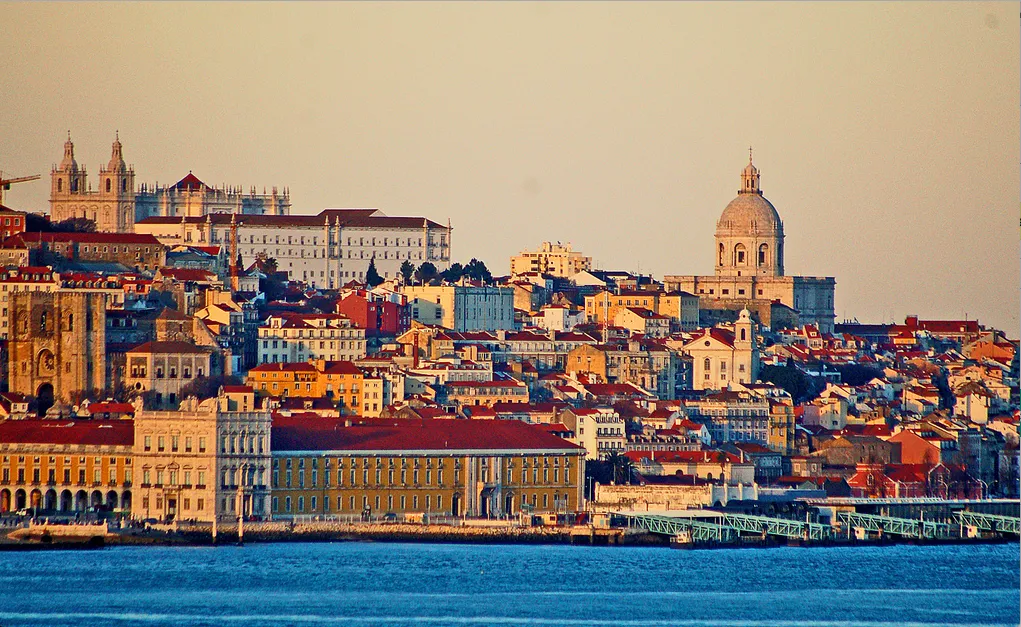
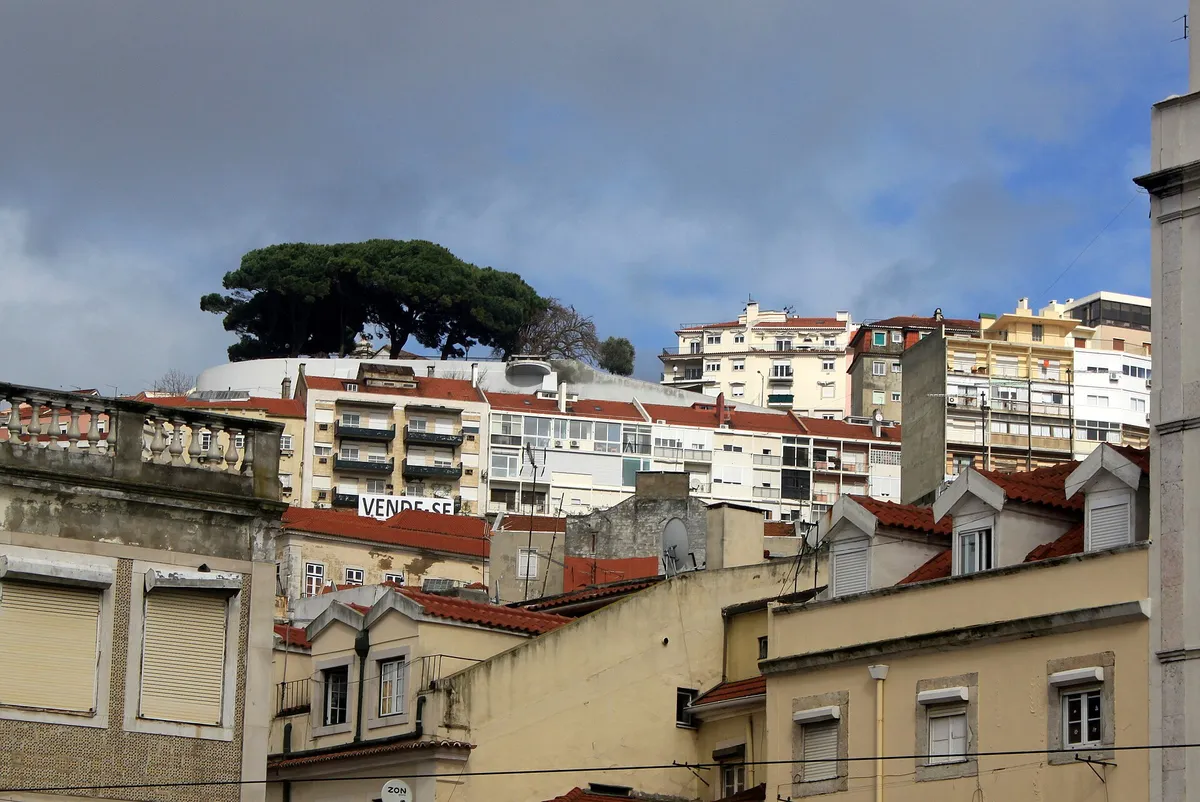
Lisbon is the capital and most populous city of Portugal, located on the western part of the Iberian Peninsula along the northern shore of the River Tagus. Lisbon ranks among the world's earliest cities and stands as Europe's second-oldest capital, having existed centuries before other such cities. The city is built on seven hills, creating a mix of flat areas and steep, winding streets. It features elegant squares and wide avenues alongside narrow, hilly districts like Alfama and Bairro Alto. Lisbon has a diverse range of experiences, from upscale dining and rooftop bars to hidden, modest restaurants and late-night discos. The city has a public transport network including buses, trams, metro, commuter trains, and ferries. It also includes three funiculars and one public elevator as part of its transport system. The Lisbon Airport serves the city, with Terminal 1 hosting arrivals and the main transport links, and Terminal 2 used for departures by low-fare carriers. A free shuttle bus runs between terminals every 10 minutes. The airport is located about 7 km from the city centre. The city has a population of 545,796 within administrative limits and 658,236 as of 2025 within its administrative limits. The area of the municipality is 100 km². The official currency is the euro. The primary language is Portuguese.
Best time to visit Lisbon is during spring and autumn, when weather is mild and crowds are moderate. Summer can be hot and crowded, while winter is cooler and less busy. Weather varies by season, with spring and autumn offering pleasant conditions. Crowds are higher in summer and during holidays.
The Lisbon Airport serves the city. Flights to Porto or Faro are alternatives if no direct flight is available. From the airport, Terminal 1 has metro, bus stops, and a main taxi rank. Terminal 2 is farther away and used only for low-fare departures. A free shuttle bus runs between terminals every 10 minutes. Public transport includes Carris buses and trams, the Lisbon Metro, commuter trains, and ferries. The city has three funiculars and one public elevator as part of its transport system.
Spotted a mistake? Report an error · Corrections policy
From the newsroom
Newsroom desk
We don't take payment for these links. Prices and availability change daily.
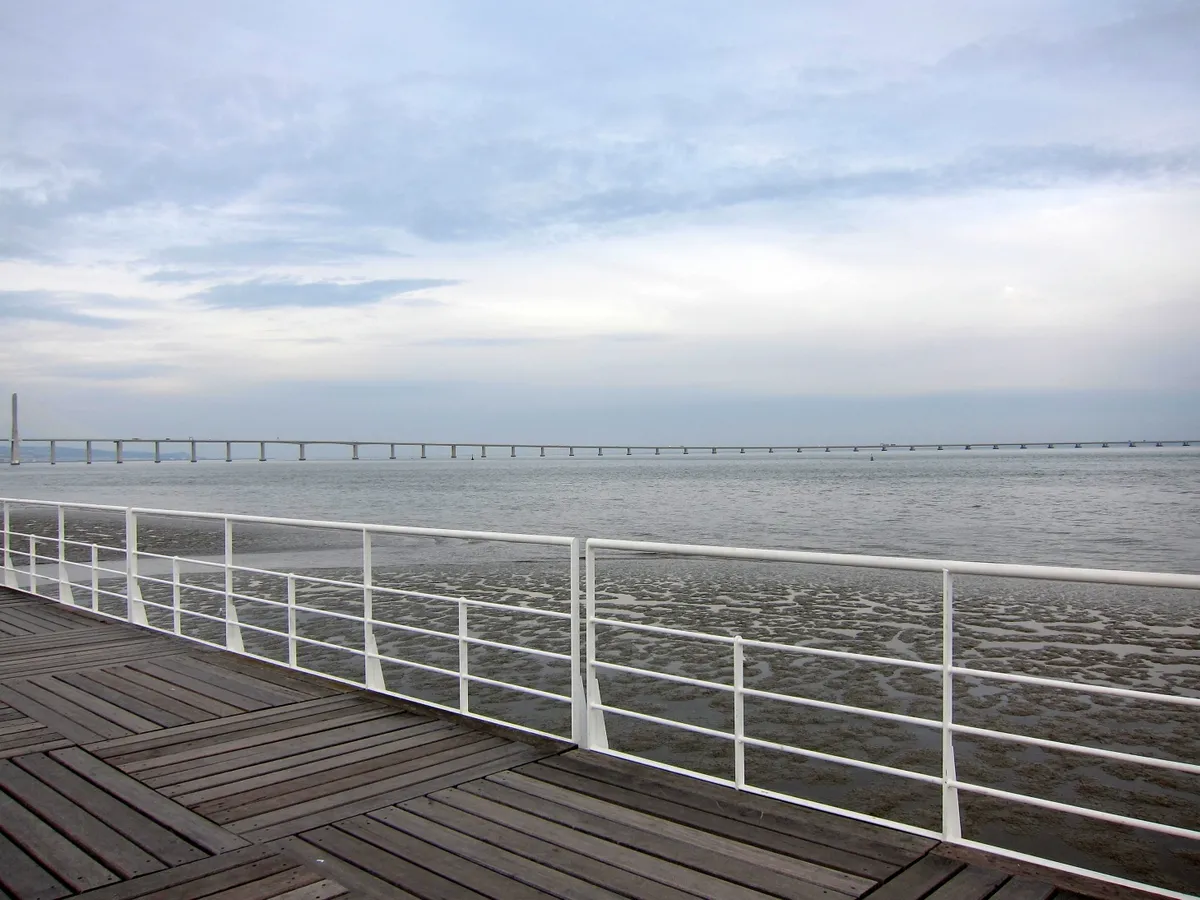
A highlight in Lisbon is the 25th of April Bridge, blending the structural style of the San Francisco–Oakland Bay Bridge with the hue of the Golden Gate Bridge.
Food and drink in Lisbon include local dishes such as bacalhau (salted cod), which is a traditional dish. The city has quality patisseries and restaurants, both in upscale hotels and in modest streets. Dining experiences vary from elegant rooftop bars to late-night bars and discos.
The city has a range of neighborhoods. Areas like Alfama and Bairro Alto offer local, vibrant atmospheres. Other areas have more modern or central locations. Travelers may choose based on their preferences for atmosphere, location, or accessibility.
The official currency is the euro. Prices are not specified in the sources.
Lisbon has a public transport network that covers the entire city. Travelers should check before they go for transport schedules, weather, and seasonal conditions. The city’s hills and narrow streets mean walking can be tiring. Public transport is efficient and includes multiple options. The airport is 7 km from the city centre. A free shuttle bus runs between terminals every 10 minutes. The city has a population of 545,796 within administrative limits and 658,236 as of 2025 within its administrative limits. The area of the municipality is 100 km². The official currency is the euro. The primary language is Portuguese.
Check before you go: Transport schedules, weather, and seasonal conditions may change. The city’s hills and narrow streets mean walking can be tiring. Public transport is efficient and includes multiple options. The airport is 7 km from the city centre. A free shuttle bus runs between terminals every 10 minutes. The city has a population of 545,796 within administrative limits and 658,236 as of 2025 within its administrative limits. The area of the municipality is 100 km². The official currency is the euro. The primary language is Portuguese.
Compare prices for Lisbon on the big booking sites. We don't take payment for these links; prices and availability change daily.
Before you go
How did you like Lisbon?
No reviews yet. Be the first to say what you think of this place.
No related stories yet.